

A Comprehensive Guide: Why the Type I Borosilicate Glass Irreplaceable
The use of Type I glass (borosilicate glass) as the packaging material for sterile injectables is primarily based on its superior performance in terms of chemical stability, thermal stability, and biocompatibility. The detailed analysis of the reasons as following:
1、Extremely High Chemical Stability
1) Low leaching: the main components of borosilicate glass are silicon dioxide (SiO2) and boron trioxide (B2O3), with extremely low alkali metal oxide content. This makes it highly resistant to hydrolysis, effectively resisting the erosion of pharmaceutical solutions (especially aqueous solutions), reducing the precipitation of sodium and calcium ions from the glass, avoiding impact on the pH, clarity, or efficacy of the pharmaceutical solution, and maintaining drug stability.
2)Acid/Alkali Resistance: Its resistance to acids and alkalis is superior to ordinary soda-lime glass (such as Type III glass), making it suitable for loading injectable solutions with a wide pH range (including acidic or alkaline solutions).
2. Excellent Thermal Stability
Low Coefficient of Thermal Expansion: The coefficient of thermal expansion of borosilicate glass is only about 1/3 that of ordinary glass, allowing it to withstand drastic temperature changes (such as high-temperature sterilization and frozen storage) and resisting cracking due to thermal stress. This is crucial for injectable formulations that require high-temperature sterilization (such as 121°C steam sterilization).
3. Inert Containers Compliant with Pharmacopoeia Standards
1) International Standard Classification: According to the United States Pharmacopeia (USP), European Pharmacopoeia (EP), etc., glass containers are classified into Type I (borosilicate), Type II (sodium-calcium glass with surface alkali removal treatment), and Type III (ordinary sodium-calcium glass) based on chemical durability. Type I glass is the highest level and is suitable for all injectable drugs (including strong acids, strong alkalis, or special drugs).
2) Biocompatibility: The smooth and dense glass surface does not easily adsorb drug components and can pass rigorous compatibility tests (such as USP<660>, EP 3.2.1) to ensure no migration of toxic substances and no microbial growth, thus maintaining sterility.
4. Protection of Sensitive Drugs
1) Barrier Properties: Completely blocks oxygen and moisture, preventing drug oxidation or hydrolytic degradation (e.g., biological agents, antibiotics, vitamins, etc.).
2) Transparency and Light Protection: UV protection can be provided by adjusting the glass composition (e.g., adding amber coloring agents), protecting photosensitive drugs.
5. Manufacturing Process and Regulatory Requirements
1) Mature Molding Technology: Suitable for molding or controlling injection vials, ampoules, pre-filled syringes, etc., meeting the aseptic filling requirements for sterile injectables.
2) Regulatory Approval: Global drug regulatory agencies (such as FDA, EMA, NMPA) recommend or mandate the use of Type I glass for high-risk injectables (such as intravenous infusions, vaccines, and biological products) to minimize quality risks arising from packaging.
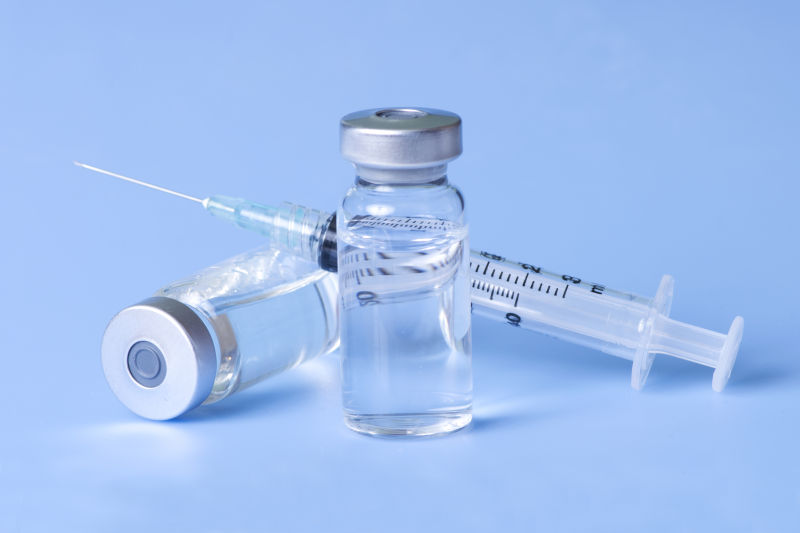
Compared to other types of glass:
1) Type II glass: Surface treated with sulfur or coating, improving chemical stability, but the protective layer may fail after long-term storage or repeated sterilization.
2) Type III glass: High alkali metal content, only suitable for non-water-soluble injectables or drugs intended for short-term use.
3) Plastic materials: Although lightweight and impact-resistant, they have poor oxygen/moisture barrier properties and may pose a risk of leachates (such as plasticizers), making them unsuitable for all drugs.
Therefore, Type I glass, due to its high chemical inertness, strong thermal shock resistance, and excellent compatibility with drug solutions, has become the preferred packaging material for sterile injectables (especially high-risk formulations), ensuring the safety, efficacy, and stability of drugs during storage and use. In modern injectable drug development, further verification of its applicability is still needed through "container sealing system compatibility studies."

