

-
"Old Meets New" and "Undercurrents" in Pharmaceutical Packaging: The Quiet Revolution of 2026
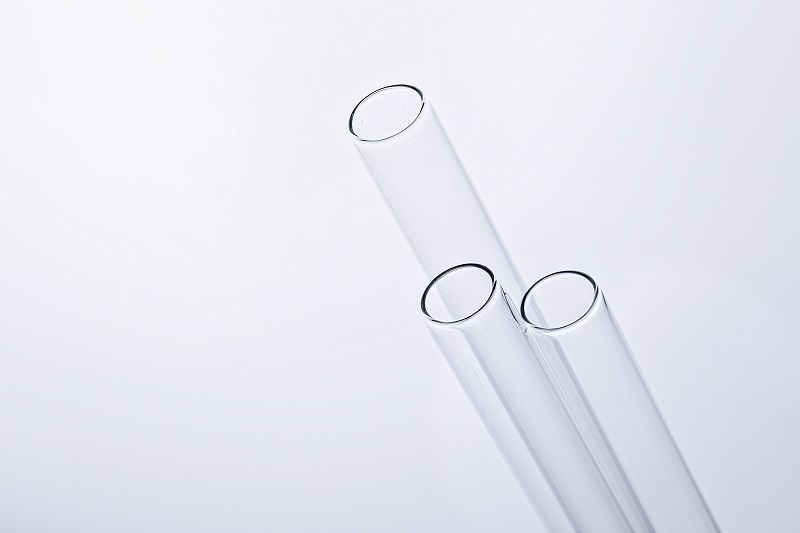
In the summer of 2026, China's pharmaceutical glass packaging industry is undergoing a quiet revolution. On the surface, trade show booths gleam with borosilicate vials, pre-filled syringes, and RTU (Ready-To-Use) packaging, with order volumes climbing steadily. But beneath the surface, the interplay of policy, technology, capital, and supply chains is reshaping the industry landscape at an unprecedented pace.
넶7 26-09-04 -
Do Acidic Drug Solutions "Eat Away" Glass Bottles? The Truth Is More Complex Than You Think
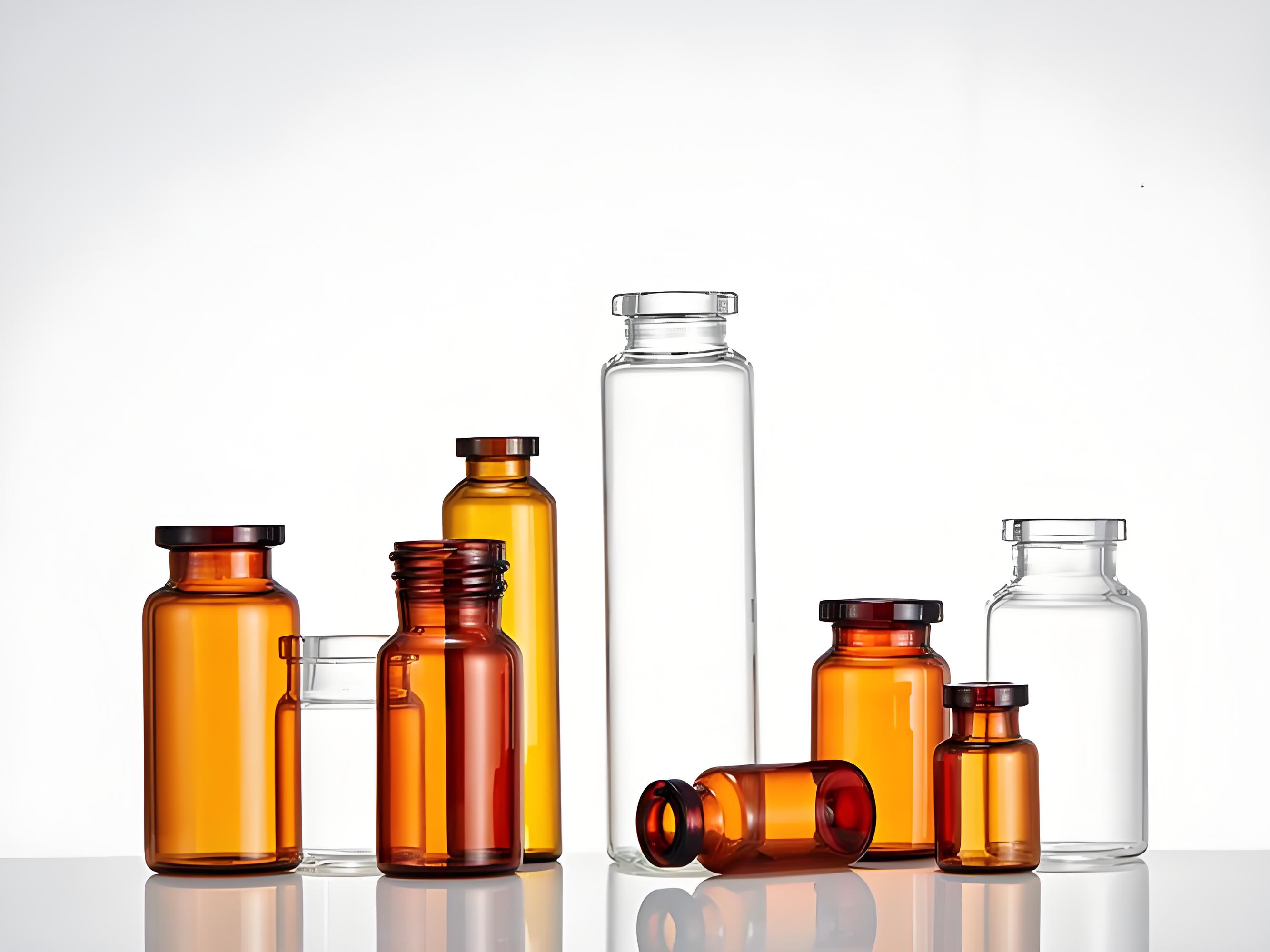
Pharmaceutical glass bottles interact with all kinds of drug solutions every day. Some solutions are acidic, others alkaline, and formulations vary enormously. This raises a very practical question: what effect does acid actually have on glass? Could it threaten the safety and quality of medicines? Let's talk about it today.
넶21 26-08-25 -
New Trends in Pharmaceutical Packaging Materials: How Medium Borosilicate Glass Tubes Underpin the "Quality" and "Intelligence" of Pharmaceutical Packaging

As the pharmaceutical industry shifts from price competition to quality-driven rivalry, medium borosilicate glass tubes—a critical upstream material—are entering an unprecedented window for domestic substitution and upgrading.
넶10 26-07-31 -
Analysis of the Market Volume and Competitive Landscape of China's Neutral Borosilicate Glass Tubing Market (2026–2030)
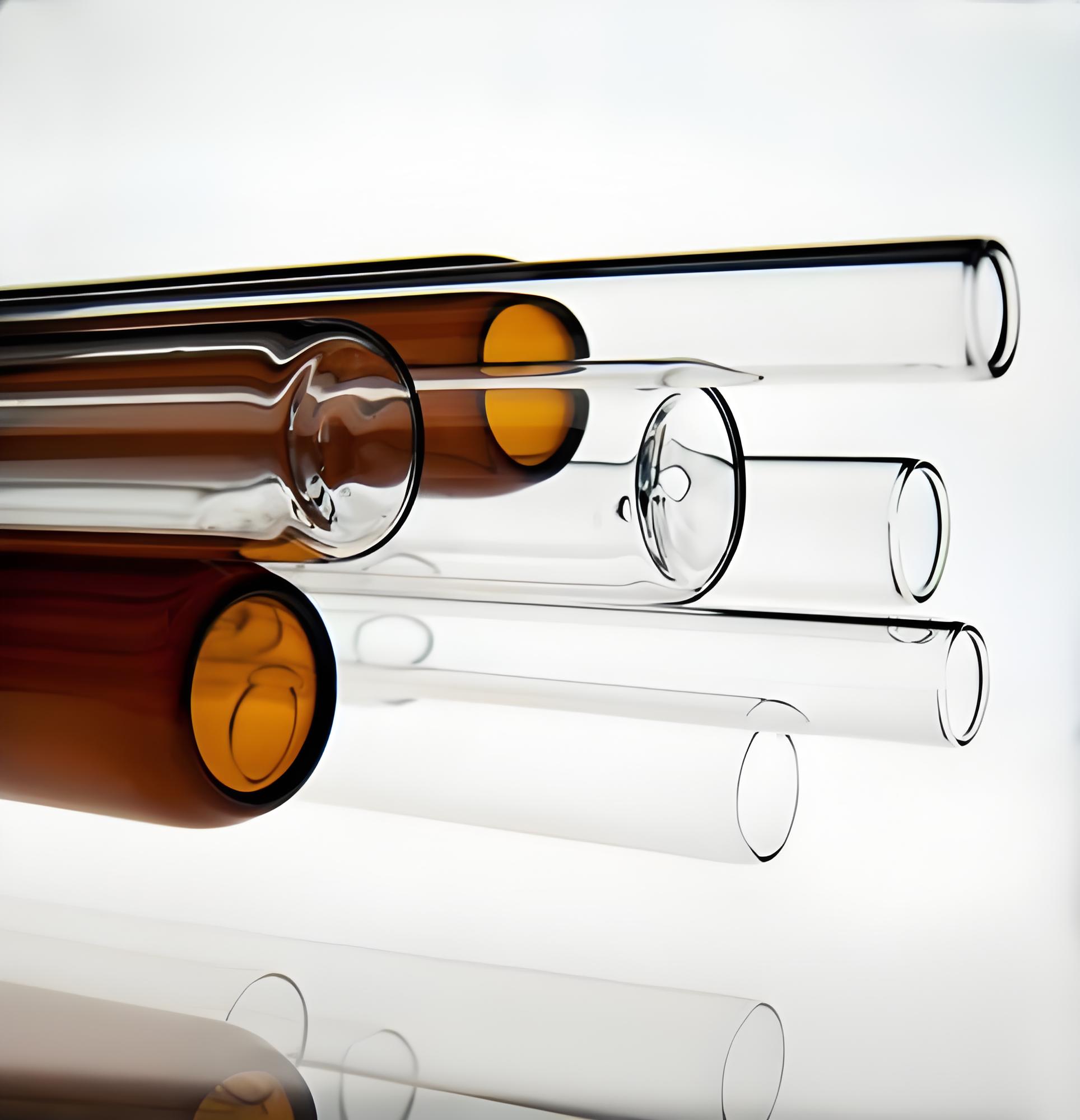
Neutral borosilicate glass tubing is classified as Type I pharmaceutical glass. Characterized by high chemical stability, a low coefficient of thermal expansion (and thus high thermal resistance), and strong resistance to hydrolysis—ensuring excellent compatibility with pharmaceutical products—it is primarily utilized in the manufacture of vials for injectables, pre-filled syringes, and packaging for biological preparations.
넶20 26-05-20 -
The Three Gates of Neutral Pharmaceutical Borosilicate Glass: Water Resistance is the Foundation, Compatibility is the Bottom Line, and the Coefficient of Thermal Expansion Determines Success.
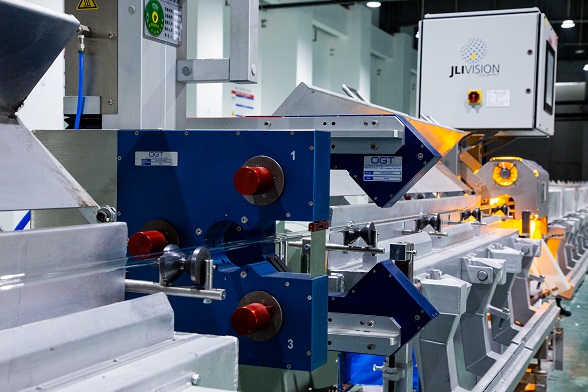
Water Resistance:This serves as the primary criterion for classifying pharmaceutical glass grades, directly determining the specific types of medications it is suitable to contain.
Hydrolytic Resistance (Grain Method): Typically assessed using the "121°C Grain Method," borosilicate glass is required to meet Grade 1 standards, thereby demonstrating its robust resistance to aqueous corrosion.넶15 26-05-19

ABOUT
—
NEWS
—

Official Account
